

The global push toward carbon neutrality has accelerated the development of technologies that can transform waste materials into valuable resources. Among these solutions, pyrolysis technology provides an effective pathway for reducing environmental impact while recovering energy-rich products from discarded materials.
A modern pyrolysis machine applies controlled thermal decomposition in an oxygen-limited environment to convert waste plastics, tyres, biomass, and other organic materials into useful outputs. These include pyrolysis oil, combustible gas, and carbon-based products. By combining waste treatment with resource recovery, pyrolysis systems support a more circular industrial model.
Reducing Carbon Emissions Through Waste Conversion
Traditional waste disposal methods often create significant environmental challenges. Landfilling occupies large areas of land and may result in long-term pollution risks, while uncontrolled incineration can generate harmful emissions and unnecessary carbon release.
Pyrolysis technology provides an alternative approach by transforming waste into secondary resources. During the process, organic compounds are thermally decomposed rather than completely burned. This reduces direct carbon emissions while preserving valuable chemical components.
A well-designed pyrolysis reactor plays a critical role in this conversion process. It maintains stable temperature conditions, ensures sufficient residence time, and creates an optimal environment for molecular breakdown. These operational factors determine product quality, energy efficiency, and overall carbon performance.
Supporting Plastic Waste Recycling and Resource Recovery
Plastic waste has become one of the most challenging global environmental issues due to its durability and complex structure. Mechanical recycling is not always suitable for contaminated or mixed plastic streams, creating demand for advanced recycling technologies.
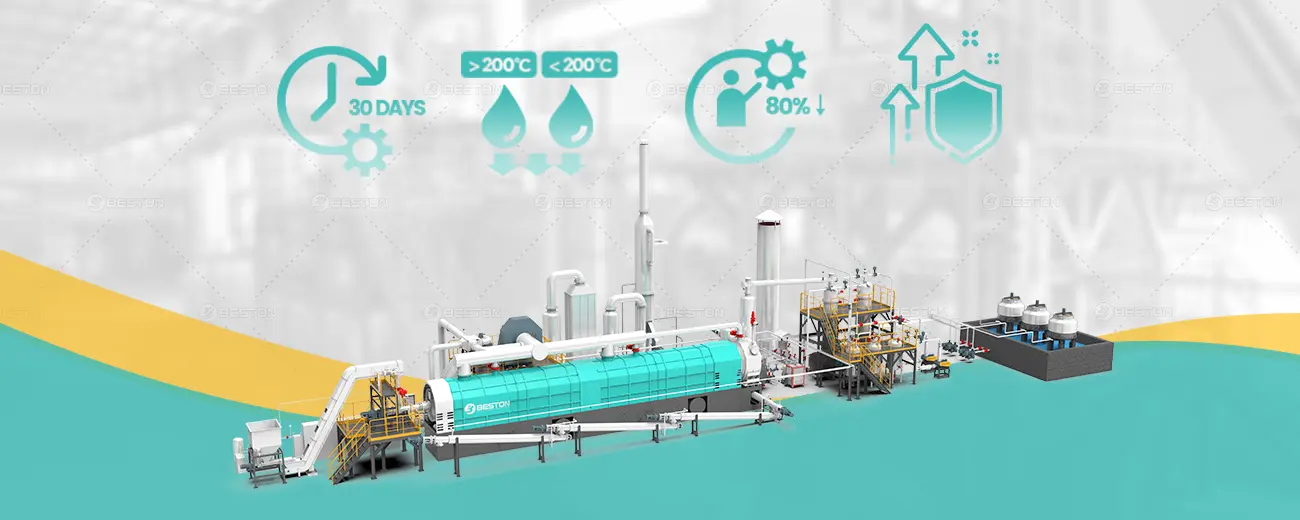
A continuous plastic pyrolysis plant offers a practical solution for processing large quantities of plastic waste efficiently. Unlike traditional batch systems, continuous operation enables stable feeding, uninterrupted processing, and consistent product output.
Through pyrolysis, waste plastics can be converted into valuable oil products that may serve as industrial fuel or chemical feedstock. This process reduces dependence on virgin fossil resources and extends the useful life cycle of plastic materials.
The recovered gas generated during pyrolysis can also be reused within the heating system. This internal energy circulation improves efficiency and reduces external fuel consumption, further lowering the carbon footprint of the operation.
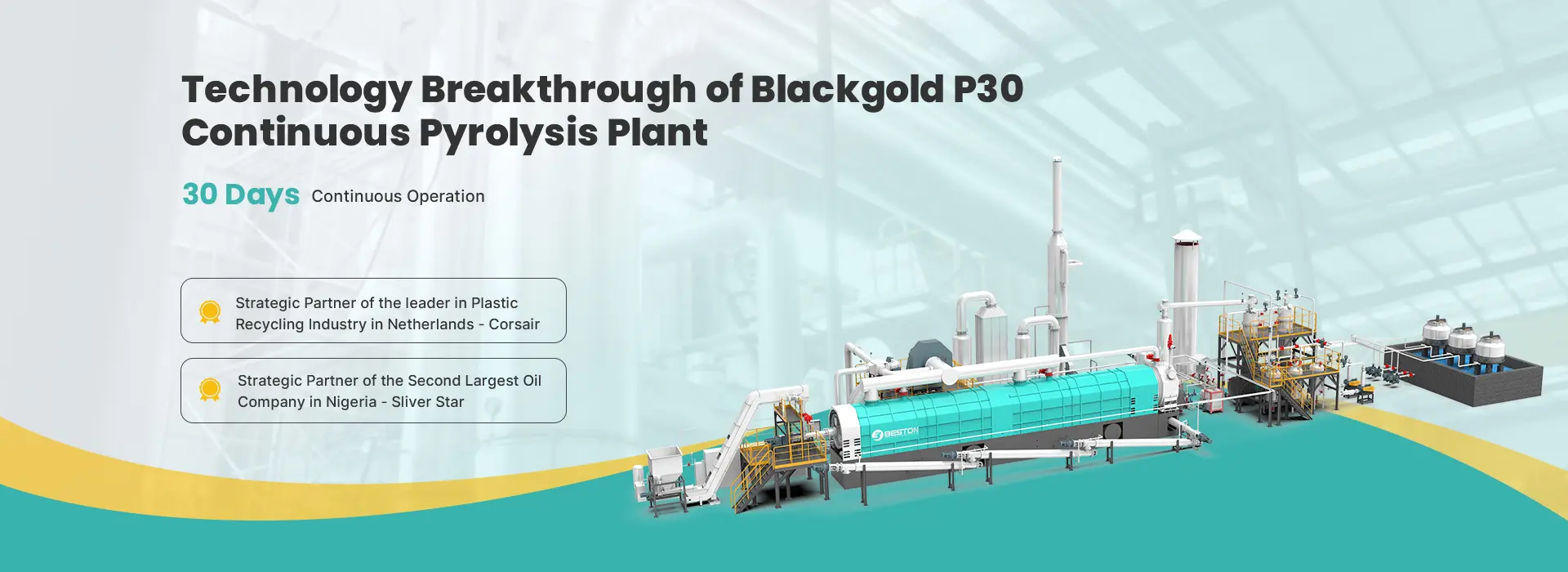
Enhancing Circular Economy Development
Resource recovery is a fundamental principle of the circular economy. Instead of viewing waste as an end product, industries are increasingly recognizing it as a potential resource reservoir.
Pyrolysis machine supports this transition by extracting embedded energy and carbon materials from waste streams. For example, tyre pyrolysis can recover oil and carbon black, while biomass pyrolysis can generate biochar for agricultural and environmental applications.
This approach creates a closed-loop system where waste materials are converted into useful commodities. Businesses can reduce disposal expenses while developing new revenue channels from recovered products.
Economic Considerations and Investment Potential
For companies evaluating pyrolysis projects, understanding factors such as plastic pyrolysis plant cost is essential. Investment requirements depend on processing capacity, automation level, reactor configuration, emission control technology, and auxiliary equipment.
Although initial investment varies, advanced pyrolysis systems can provide long-term economic advantages through efficient operation and diversified product output. Recovered oil, carbon materials, and combustible gas each contribute to the overall value proposition.
Operational efficiency is another important factor. Systems equipped with automated controls, optimized heating structures, and advanced condensation technology can improve productivity while reducing maintenance requirements.
Improving Sustainability Through Advanced Technology
The future development of pyrolysis technology will focus on greater efficiency, lower emissions, and improved product quality. Innovations in reactor design, digital monitoring, and energy integration are helping plants achieve more precise operational control.
Advanced emission treatment systems are also becoming increasingly important. By managing exhaust gases and improving combustion efficiency, modern facilities can meet stricter environmental requirements while maintaining high processing capacity.
In addition, carbon accounting methods are creating new opportunities for pyrolysis projects. Businesses can demonstrate measurable environmental benefits by tracking waste diversion, resource recovery, and carbon reduction performance.
Conclusion
Pyrolysis plants contribute to carbon reduction and resource recovery by converting waste materials into valuable products while minimizing environmental impact. Through advanced thermal conversion technology, these systems help industries move away from linear consumption models toward circular resource management.
A reliable pyrolysis machine, efficient pyrolysis reactor, and properly designed continuous plastic pyrolysis plant provide businesses with practical tools for sustainable development. As global demand for low-carbon solutions continues to increase, pyrolysis technology will play an increasingly important role in waste management, energy recovery, and carbon reduction strategies.